The Best Sports Photographer in Melbourne for High-Impact Team Portraits
If you have ever tried to get a full sports team looking sharp, cohesive, and energized on cue, you already understand the real challenge. It is not just about sharp focus and good lighting. It is the timing, the body language, the discipline to keep everyone in frame while the coach is barking instructions, and the calm that makes athletes stop fidgeting long enough to capture something that feels like a team identity, not a collection of individuals.
In Melbourne, sports photography ranges from quick “stand and smile” group shots to high-impact portraits that look like they belong on a sponsor wall, a finals program, or the club’s socials with that same punch you see from professional media outlets. The difference usually comes down to experience with team dynamics and an approach that respects the sport, not just the camera.
This is where the best sports photographer in Melbourne separates themselves, especially for sports team portraits Melbourne teams expect to use repeatedly across the season.
What “high-impact team portraits” actually means
High-impact team portraits are not only dramatic. They are readable from a distance, consistent across a range of sizes, and authentic to the club culture.
When I say “readable,” I mean the image holds up whether it is a vertical Instagram post, a banner crop behind a sponsor logo, or a framed print in a hallway. Faces remain clear without everyone looking like they were isolated in a studio. Jerseys and club colours look true, not washed out or oversaturated. The background does not steal attention, but it supports the story, whether that is a home ground, a training facility, or a neutral studio-style setting with depth.
Authenticity matters too. A youth team will look and move differently than an adult men’s squad. Netball players often need room for posture and arm angles. Rugby teams have different spacing and kit reflections. A photographer who treats every team the same will keep fighting the same battles: blinking, inconsistent heights, uneven alignment, and that “we are not sure what to do with our hands” pause that ruins the momentum.
High-impact portraits come from planning those moments. The photographer reads the group quickly, directs with language that athletes can follow under pressure, and uses timing so the image lands when everyone looks like they belong on the field.
The Melbourne context: light, locations, and schedule pressure
Melbourne can be tricky for outdoor portraits. One hour you get clean skies, the next you have shifting cloud cover, wind, and that cool air that makes people pull their hoodies on and off without thinking.
For sports team portraits Melbourne teams love, the location choice is half the job. A home ground is great for story, but you need to consider how the camera handles light across the players, especially if the sun hits one side of the lineup. The wind can ripple flags, warm-up tops, and even team banners. Spectator areas can introduce distractions, so you might have to position the team to control what the lens sees.
Then there is schedule pressure. Coaches and captains tend to get pulled between training, admin, and whatever competition is next on the calendar. The best photographers build a pace that respects that reality. They show up prepared, communicate clearly, and work efficiently enough that the team still feels like they are done on time, not dragged into a photo session that eats the whole night.
I have seen what happens when a photographer takes too long chasing “perfect.” Athletes get restless, energy drops, and the final images end up looking flat. A high-impact shoot is usually a controlled, time-aware process. You get the results because you do not waste the prime window where everyone is engaged.
How a top sports photographer prepares before the first shutter
You cannot produce consistent sports team portraits if the session relies on improvisation. The best sports photographer in Melbourne treats preparation like part of the art, not an afterthought.
Preparation looks like three things in practice.
First, they confirm the purpose of the images. Are these for player profiles? Club website hero banners? Sponsor packages? A premiership campaign? The intended use affects everything, from framing to contrast levels. A portrait for a sponsor board often needs extra space for logos. A lineup photo for social might need a punchier look and crops that keep faces dominant.
Second, they plan for kit and branding. Jerseys can reflect stadium lights, and dark colours can swallow detail. Light jerseys can show fabric texture, but they also highlight wrinkles and sweat shading. Some clubs wear training tops during warm-up and change into match jerseys later, and if you do not coordinate that timing, you lose opportunities for different looks.
Third, they build a workable shoot flow. If you are photographing 20, 30, or 40 athletes, you need a method to keep everyone engaged and camera-ready. The best photographers know how to direct attention, handle movement, and keep the team in position without turning the session into a stressful production line.
That preparation is part of why Melbourne Sports Team Portraits can look so professional. It is not luck, it is a system.
Direction that athletes can actually follow
A lot of photographers can take a technically good photo. The harder skill is making it easy for athletes to produce the expression and posture you want.
I have watched team portraits fail when direction is too complicated. “Try to look confident, but subtle, and rotate your shoulders slightly while imagining a dramatic moment from last game” might work in a studio with models who have time. In a real sports context, athletes need simpler prompts, delivered with confidence and speed.
Good direction usually sounds like this: “Stand tall, chin slightly down, eyes up towards the camera. Relax your shoulders. On my count, bring the chest forward.” Or, “Hold your pose for one breath, then reset. That one was close.”
You also have to manage energy. Some athletes overthink a camera and tense. Others go too relaxed and slouch. The photographer reads which group you have and adjusts. For younger teams, you often need quick, fun prompts. For experienced players, a more direct tone works better. Either way, the goal is the same: consistent posture across the lineup, so the portrait looks intentional.
The photographer also considers the “human geometry” of a team photo. Players do not line up naturally by height and stance, especially when different positions have different body types and athletic builds. The best results come from spacing everyone for the lens, not just lining them up like school photos.
Lighting choices that create depth and drama
There are two broad approaches to high-impact team portraits: controlled light and natural light with smart modifiers. The best Melbourne sports photographer is usually fluent in both.
Natural light can be incredible for team photos because it is flattering and believable. The trade-off is control. You need to watch sun direction, cloud cover, and how light falls across faces. If you shoot when the sun is too high, you get raccoon shadows and squints. If you shoot when the sun is too low, you can flare and wash out contrast.
Controlled light, when appropriate, helps keep everyone consistent. It also helps when you are indoors or on an evening schedule. Flash and continuous lighting let you shape shadows and separate the team from the background. But the trade-off is that it requires more setup, more power management, and careful placement so the light does not feel like a harsh interrogation.
In Melbourne, many clubs mix the two. You might shoot a primary portrait outdoors at golden hour for story, then capture a second set closer to dusk with more controlled lighting for an alternate look. If you do this thoughtfully, you end up with variety that covers different uses, without making the team sit through an endless session.
The key is that “high-impact” does not mean harsh. It means strong contrast, clean skin tones, and an image that looks sharp and intentional without turning athletes into plastic cutouts.
Composure on game day: keeping energy positive
Team portraits are often scheduled around training or after a match. That is a double-edged sword. The good news is players are already in the mindset. The bad news is they are tired, sweaty, and sometimes tense from competition.
A great sports photographer anticipates that. They arrive ready to make the session fast and respectful. They bring help if needed, especially for large squads. They communicate with the coach and captain so directions come from one place, not five different voices. They also know how to handle the little issues that derail sessions: hair that needs a quick fix, jerseys that need smoothing, tape on hands, or a player who has stepped out to deal with a minor injury.
There is also a mental side to composure. When athletes feel pressured, they look pressured. The best photographers keep the tone steady. They move decisively. They keep the group engaged. They give athletes short goals: “We’ll nail this set in a minute, then we’ll switch positions for a different look.”
That approach protects the team energy. And when the session stays positive, the faces look like they belong in a campaign, not in a rushed document.
Choosing between lineup, lifestyle, and “hero” images
Most clubs want more than one type of portrait. They want a lineup for official use, some action-adjacent images that feel like the season story, and a hero shot that stands out for marketing.
The best sports team portraits Melbourne clubs request often blend these formats.
Lineup portraits are symmetrical, clean, and consistent. Everyone can be seen. The club crest is readable. This is the classic team image for a website header or annual program.
Lifestyle or on-field portraits add context. You might shoot during warm-up, capturing the calm before intensity, or after a drill when players are still moving but the expressions are relaxed. These images tend to connect with supporters Have a peek here because they look lived-in.
Hero images are the standout. They might feature a smaller group or even a standout athlete with a backdrop that still reads as team culture. In some clubs, hero images are used for sponsor campaigns. In others, they are reserved for player award announcements or finals weeks.
If your photographer only delivers lineup portraits, you end up with a nice set of photos that can feel repetitive. If they only do lifestyle, the club misses the official, clean coverage. The best outcomes usually come from delivering a thoughtful mix, with a coherent visual style across everything.
The practical checklist that separates “good” from “repeatable”
When you are comparing photographer options, you want to look for the kind of process that consistently produces results, not just one-off brilliance. Here is what I look for when assessing a sports photographer for team portraits in Melbourne:
- They plan the shoot around the team’s schedule and kit changes, not just the camera settings
- They bring a clear direction method that keeps athletes aligned and comfortable
- They test framing and light quickly, then commit to a shot list that reduces delays
- They handle large groups smoothly, with spacing and attention management that makes sense through the lens
- They provide a consistent final image style suitable for both web and print crops
If a photographer cannot answer these clearly, you will feel it during the session.
A typical workflow for Melbourne Sports Team Portraits
Every club runs differently, but a reliable workflow usually follows the same logic.
First, you start with a quick scout of the location and a short plan for where everyone stands. The photographer checks lines in the background, the direction of light, and where distracting elements sit in the frame. For indoor venues or gyms, they look for ceiling height and how light spreads across faces.
Then comes the test shots. This is where you can tell if a photographer is experienced with teams. They do not waste time taking fifty random images. They take a few targeted frames, confirm exposure and focus, and adjust spacing. If you are shooting with artificial light, they test to ensure skin tones look natural across different uniforms.
After that, you move into the main portrait set. This is where direction and rhythm matter. A great photographer keeps the team moving through poses quickly, with enough repetition to get variety without draining everyone.
Finally, you capture alternates. Sometimes it is different crops, like closer framing for captains or the coach’s preferred use. Sometimes it is a second setup, like a different angle or background. The best photographers build these variations intentionally so the club has options for different platforms.
When the workflow is smooth, the team leaves feeling like they got what they came for, and the images feel like a complete package, not a handful of decent frames.
Common problems and how the best photographers fix them
Team portraits come with predictable problems. The best sports photographer in Melbourne does not avoid them. They solve them in the moment.
One common issue is uneven sharpness across a lineup. In large groups, the depth of field choices are tricky, especially if the team stands in a curved formation. The fix is a combination of lens selection, consistent spacing, and focusing strategy. A photographer who knows team portraits will decide where the focus should land and then arrange the group to support it.
Another issue is inconsistent expressions. Some players look engaged, others look distracted. That problem gets worse when direction is vague. Experienced photographers use clear prompts and timing, like getting everyone to look at the camera on the same breath. They also learn the personalities in the group. If one athlete is a natural performer but another is shy, you do not direct them the same way.
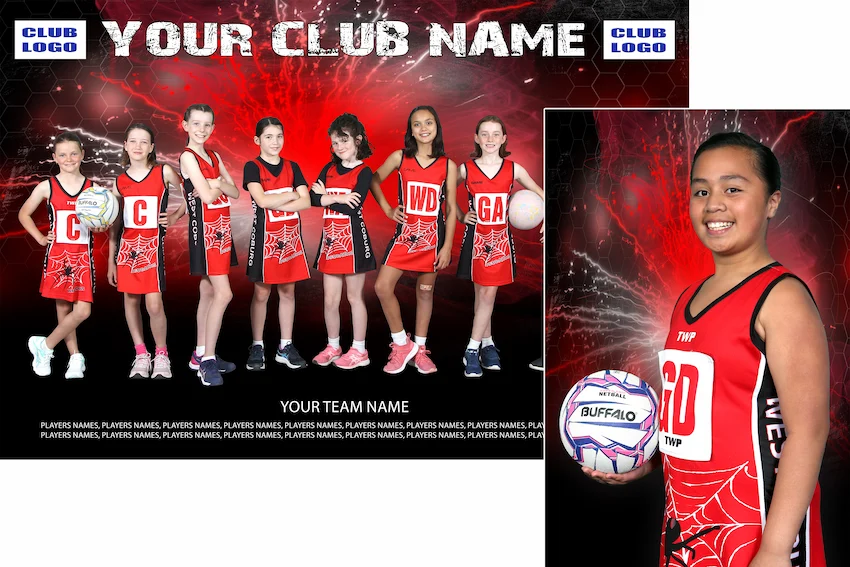
You also have the jersey chaos issue. Teams arrive with different kit states, warm-up tops, jackets, hair styles that change mid-session, and sometimes even minor accessories that were not planned. The photographer should communicate what they need early, while still keeping it easy. If they wait until the last minute to ask everyone to change, you lose light and patience.
And then there is the background distraction problem. Spectator stands, signage, poles, or even bright areas behind the team can pull attention away from faces. This is where position and composition matter. A skilled photographer chooses angles that keep the background supportive, not competitive.
The trade-off between “more shots” and “better shots”
It is tempting to think the solution is simply taking more photos. Sure, more frames increase the chances of getting a good blink-free moment. But there is a limit. At some point, taking extra shots slows down the session, and athletes start to disengage.
High-impact team portraits require a certain pace. The best photographers focus on quality and variation that actually changes the final deliverables, like different body angles, alternate spacing, or a second background setup. They might take fewer images, but they take them with intent. That is how you get sets that look consistent across the club’s marketing, instead of random picks that do not match.
If you are comparing photographers, ask how they structure the session and what “variety” means in their process. Variety should be meaningful, not just more file numbers.
How to brief a photographer so you get the result you want
Even the best sports photographer can only work with the information you provide. A strong brief reduces confusion and prevents last-minute surprises that affect image quality.
Start with practical details: team size, age group, kit colours, location preference, and the rough timing window. If the team has a sponsor crest, a specific logo placement, or a club theme for finals season, mention it. Also include how you plan to use the portraits: website hero, printed posters, team sheets, player cards.
If you want high-impact, tell the photographer what “impact” means for your club. For some teams, it means a bold, dramatic look with crisp contrast and clean lines. For others, it means a natural, authentic vibe that still feels polished. A good photographer will ask the right questions, because they understand that “professional” can land in different directions depending on the club’s brand.
What to expect from delivery, editing, and consistency
The final step is where sports photography either becomes a reliable asset or a one-off nice photo set.
Consistency is the big deal for team portraits. Skin tones should look natural across different lighting conditions. Jersey colours should remain accurate. Contrast should support clarity, especially around faces and eyes. When images are delivered in a package, they should look like they belong together.
A professional workflow also considers crops. Clubs often need vertical crops for social posts, wide crops for banners, and sometimes individual head-and-shoulder variants. If the photographer handles these thoughtfully, you avoid awkward missing spaces around crests or cut-off hands.
You do not need to overthink it, but you should feel confident that the editing approach will serve the club’s use cases, not just the photographer’s personal preference.
Pricing and value: what you are really buying
Pricing in photography can vary widely. For sports team portraits, the biggest drivers are team size, location complexity, how many final images you receive, and the level of direction and lighting involved.
Value is not only in how long the session lasts. It is in what happens during the session: how the photographer manages alignment, how quickly they reach good frames, how well they protect athlete energy, and how the final collection looks cohesive.
If someone charges less but takes longer, delivers fewer usable images, or produces inconsistent colour and framing across a package, the club usually pays later through reshoots or “good enough” usage that does not land with sponsors and supporters.
On the other hand, higher cost does not automatically mean better portraits. The best approach is to compare photographers on process quality and deliverable consistency, not only the day rate.
Selecting the right photographer for your club in Melbourne
When you are choosing the photographer melbourne clubs trust with their sports team portraits, look for evidence of real team experience. Ask for examples that match your sport and team size, not just generic group photos.
Also check whether the photographer’s style aligns with your club’s identity. A club with a modern brand might want clean, graphic portraits with strong contrast and controlled backgrounds. A community club might prefer a warm, authentic look with visible environment and motion energy. The best sports photographers can adapt while still keeping a consistent visual standard.
Most importantly, choose someone who communicates clearly. If they ask good questions about kit, purpose, timing, and positioning, you are in good hands. If they respond vaguely or talk only about camera equipment, you might spend the session waiting for someone to figure it out on the fly.
The difference you will feel after the shoot
A great sports team portrait session does something subtle. It changes how players see the club in images. The photos become a motivator, something athletes are proud to share, something coaches can point to when they talk about effort and unity.
You can feel the difference in the expressions. You can see it in the way the team lines up with confidence. And you can tell when a photographer delivered images that the club can actually use across the season without second-guessing.
That is why people keep coming back. The best sports photographer in Melbourne is not chasing one perfect shot, they are building a dependable visual story for the club, season after season.
If you are planning Melbourne Sports Team Portraits and you want images with real impact, start by thinking less about “who has the best camera” and more about who has the best team process. When those align, the portraits look effortless, even though you can bet there is a lot of skilled work happening just off-camera.
Pure Sport Images
23 Grandview Ave, Mulgrave VIC 3170, Australia
+61 413 157 614
[email protected]
Website: https://puresportimages.com.au/